

Last week we held the first Ibérica Labs session of the year at WATA Factory. These sessions give us the chance to step away from the usual day-to-day routine. We use the time to try out new ideas, share knowledge and explore approaches that might help us improve how we develop and operate our applications.
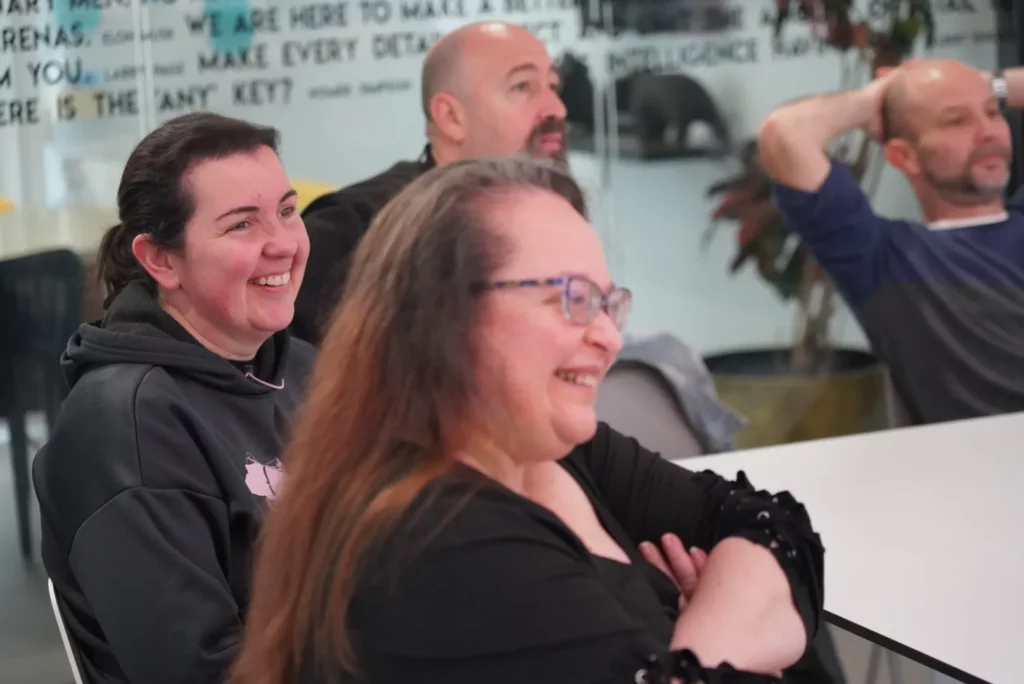
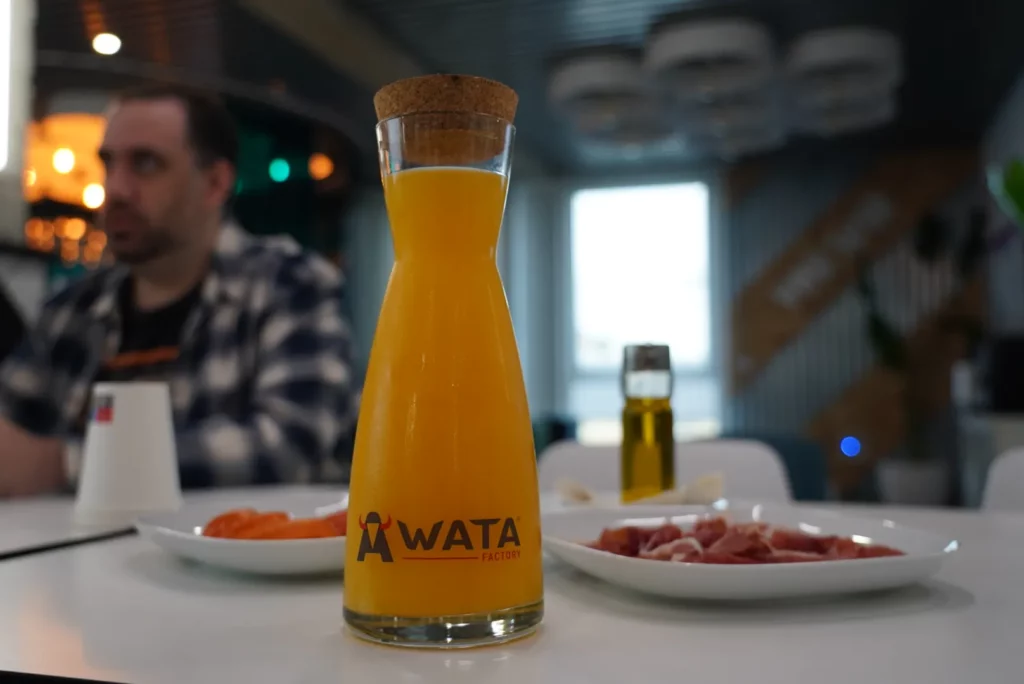
Andalusian breakfast and start of the day
As has become tradition, the morning began with an Andalusian breakfast. Fresh toast, tomato, olive oil, ham and coffee for everyone. It was a relaxed start to the day — a chance to chat and gather together before getting into the main part of the session.
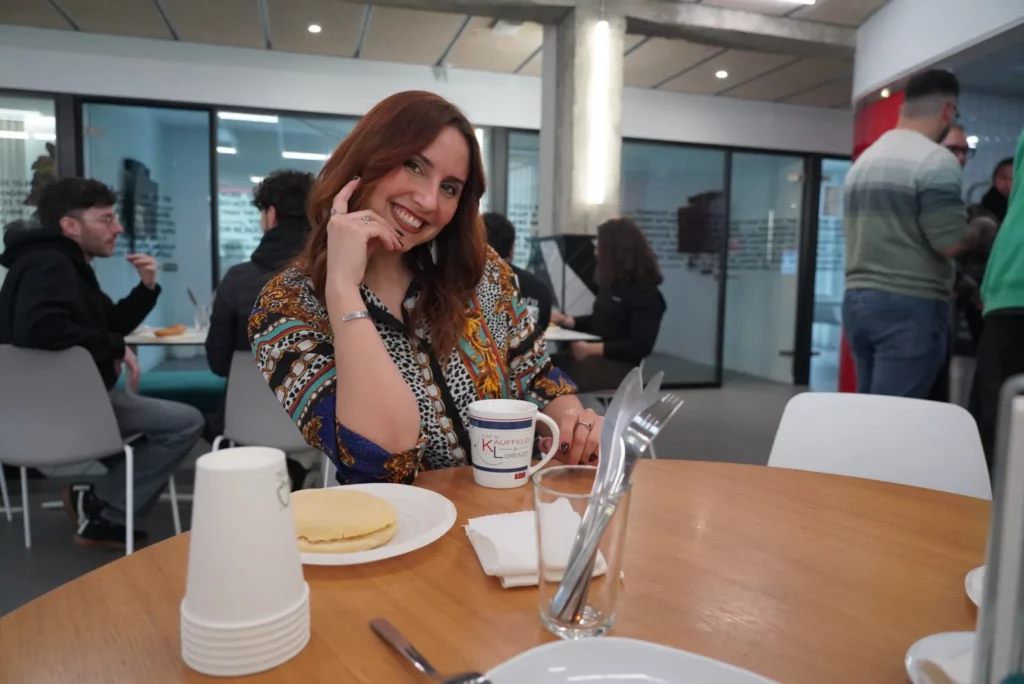
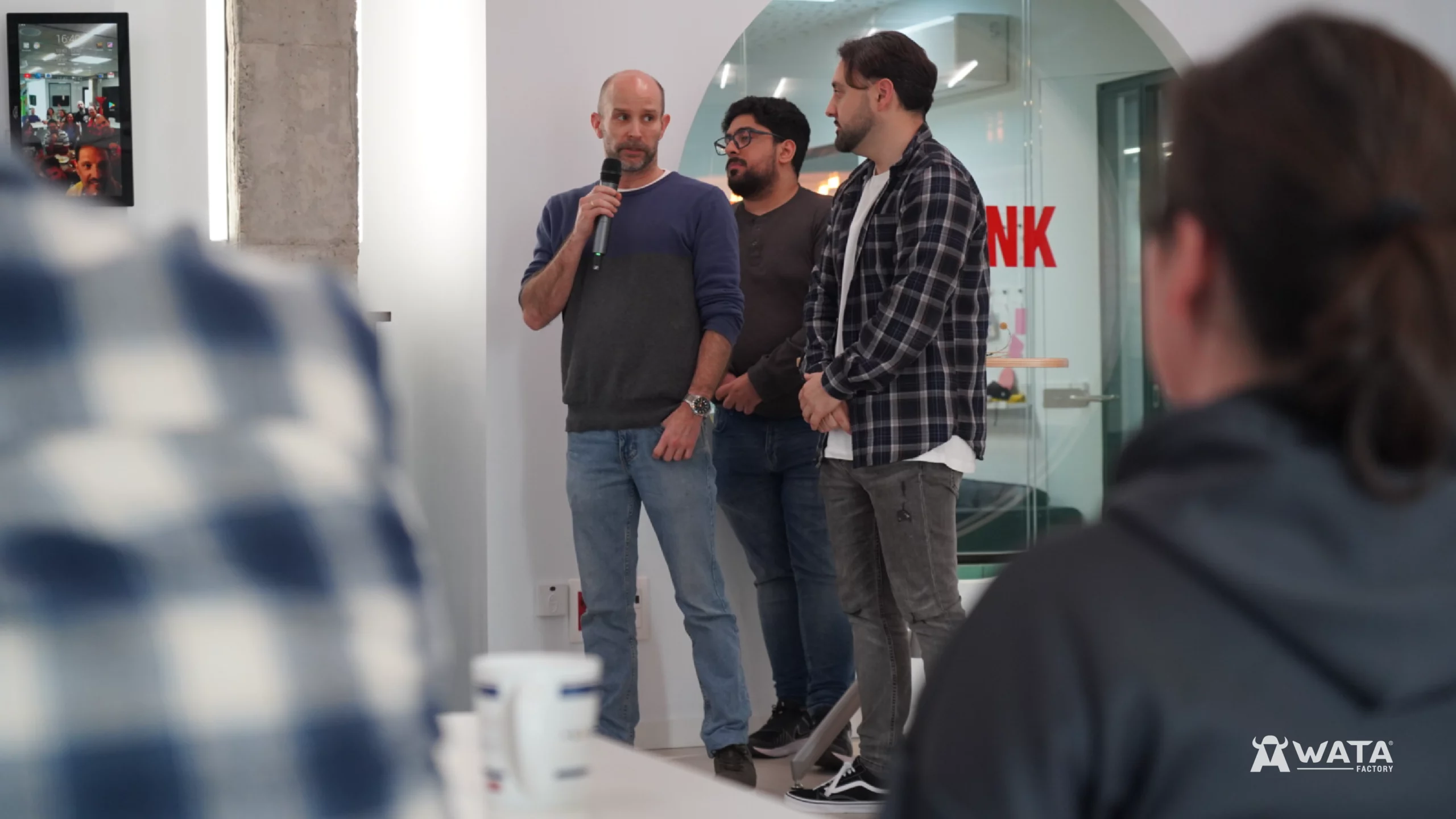
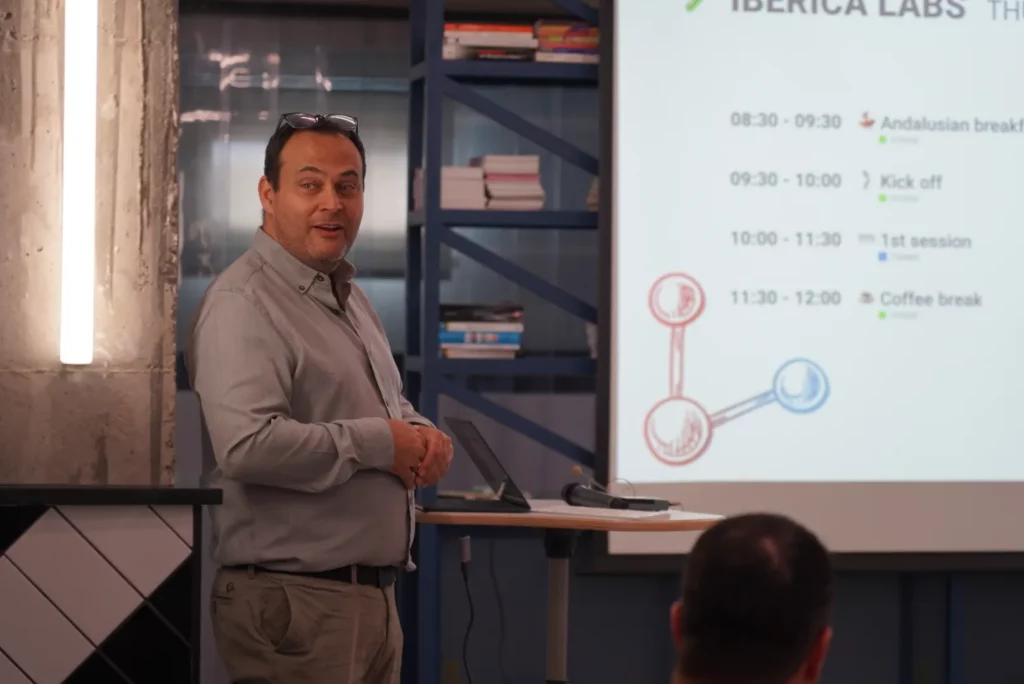
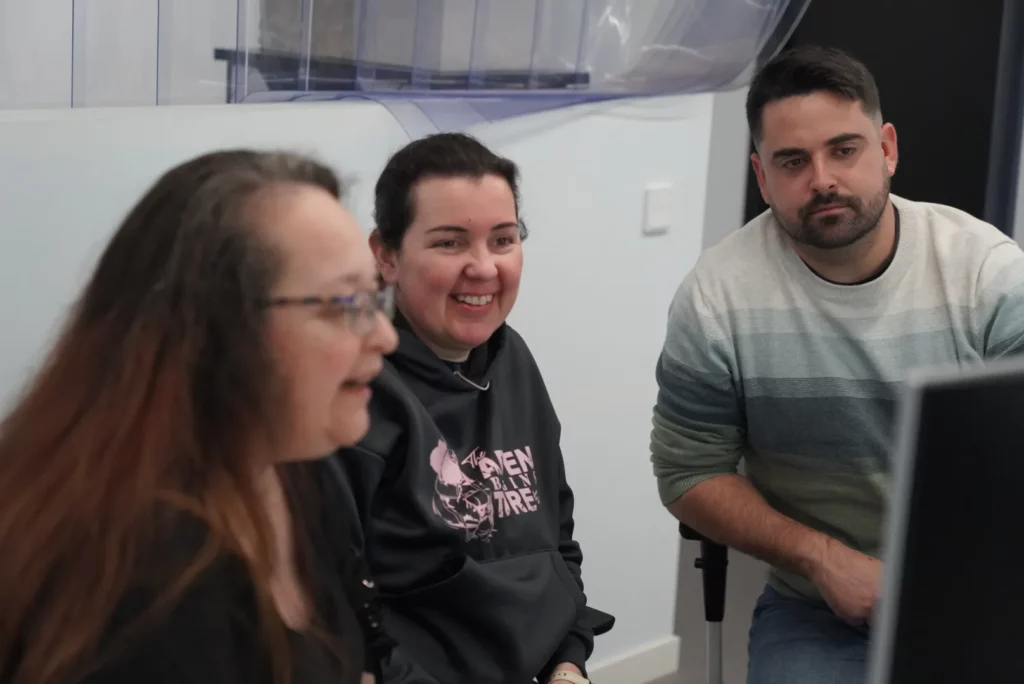
With the whole team in the office, Germán T., CEO of WATA Factory, welcomed everyone and opened the day with a few introductory remarks. Pedro G. then walked us through the agenda and explained how we would organise ourselves during the Lab. After that, we split into several teams and the session got underway.
Grafana, automated testing and technical exploration
During this Ibérica Lab we worked on several topics, mainly around Grafana and Playwright. The aim was to share knowledge and experiment with possible improvements to our internal tools. We also explored ways to improve how we monitor our applications and manage automated testing processes.
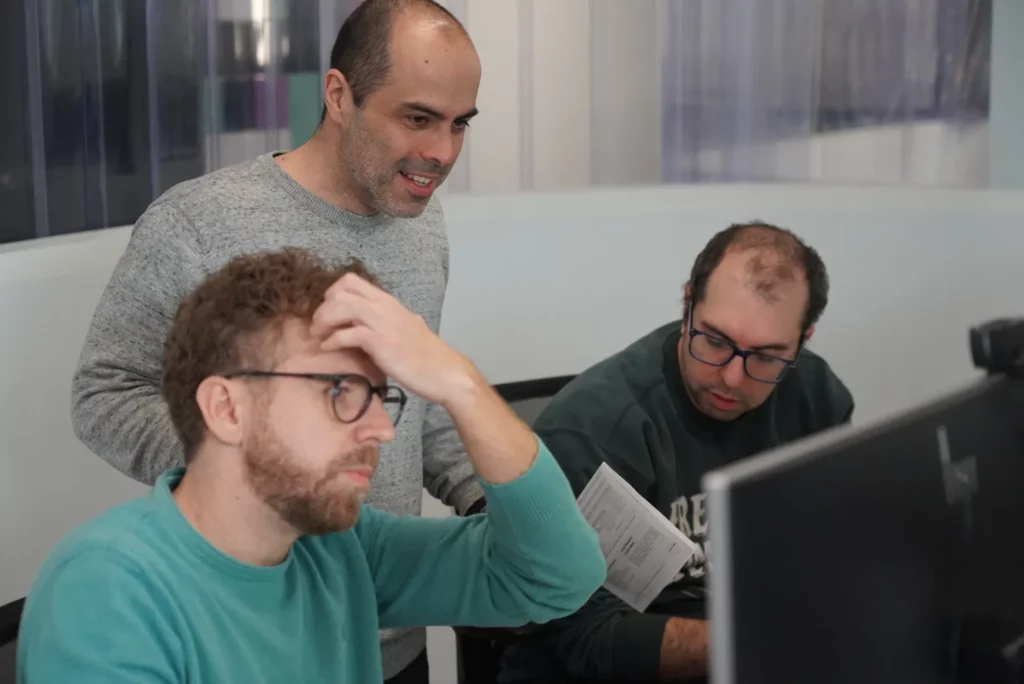
One area of work focused on developing automated reporting tools for automated test runs. The idea was to explore how reports could be generated automatically and sent by email or posted to Teams channels. This would allow teams to receive clear and timely information about test status, results and any issues that arise.
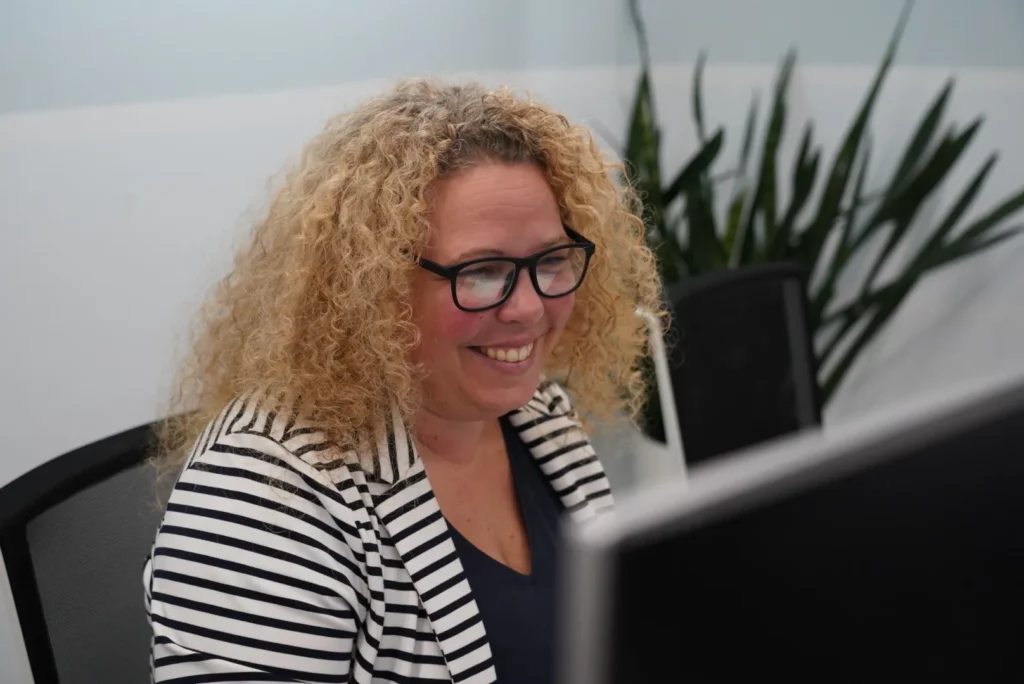
At the same time, another group worked on improving our existing automated QA reports through the use of customised metrics. The goal was to add more context to the reports and make them more useful when monitoring software quality.
Another part of the Lab focused on Grafana’s capabilities for categorising and structuring log entries. This made it possible to explore the creation of more targeted dashboards for different parts of our application. For example, dashboards that help locate all operations carried out on a particular user, or that show the full trace of a process involving several services.
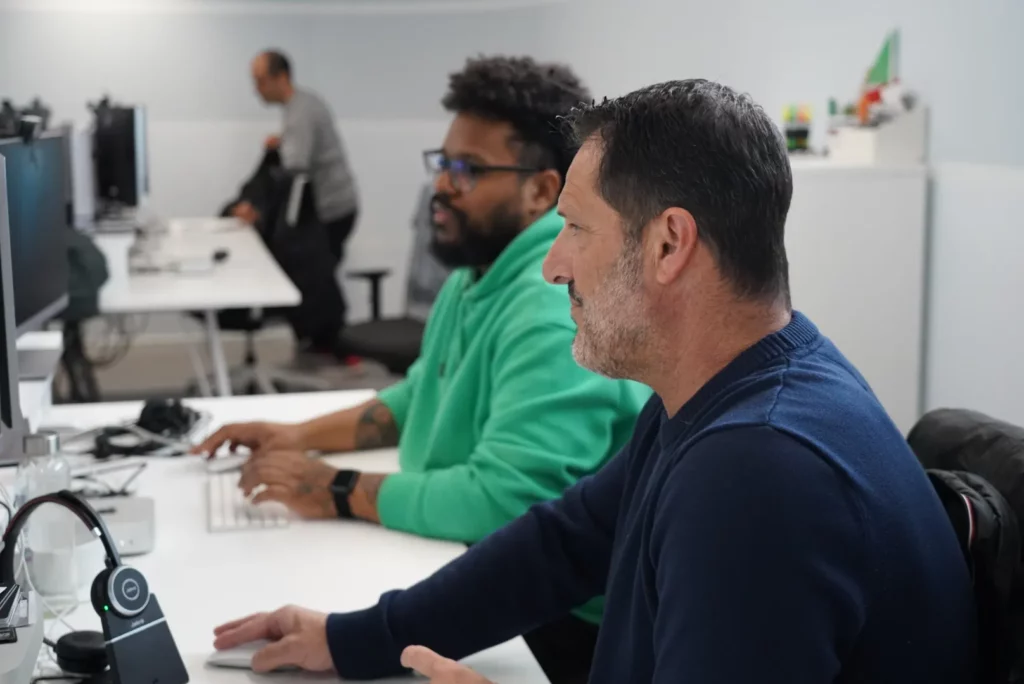
We also made progress on metrics and dashboards aimed at monitoring managed machines and Kubernetes environments, including one running self-hosted Bitbucket runners. The idea is to continue developing our existing dashboards by adding metrics that better reflect our real operational needs.
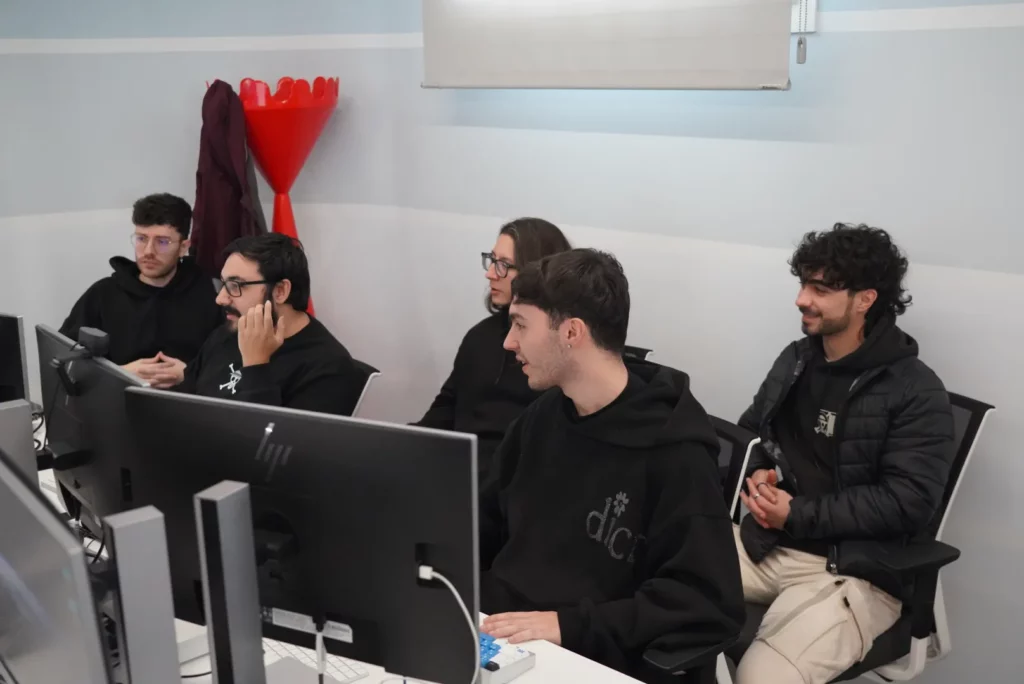
Part of the session was also devoted to exploring the possibilities of Playwright. The aim was to assess how this technology could help us improve and evolve automated testing processes across different areas of the company. In particular, we looked at new ways to automate end-to-end tests and improve the reliability and maintainability of our test suites.
Sharing results at the end of the session
To round off the day, each team shared with the rest of the group the progress and insights that had emerged during the Lab. Each group briefly explained what they had been testing, which ideas had come up and what results they had achieved.
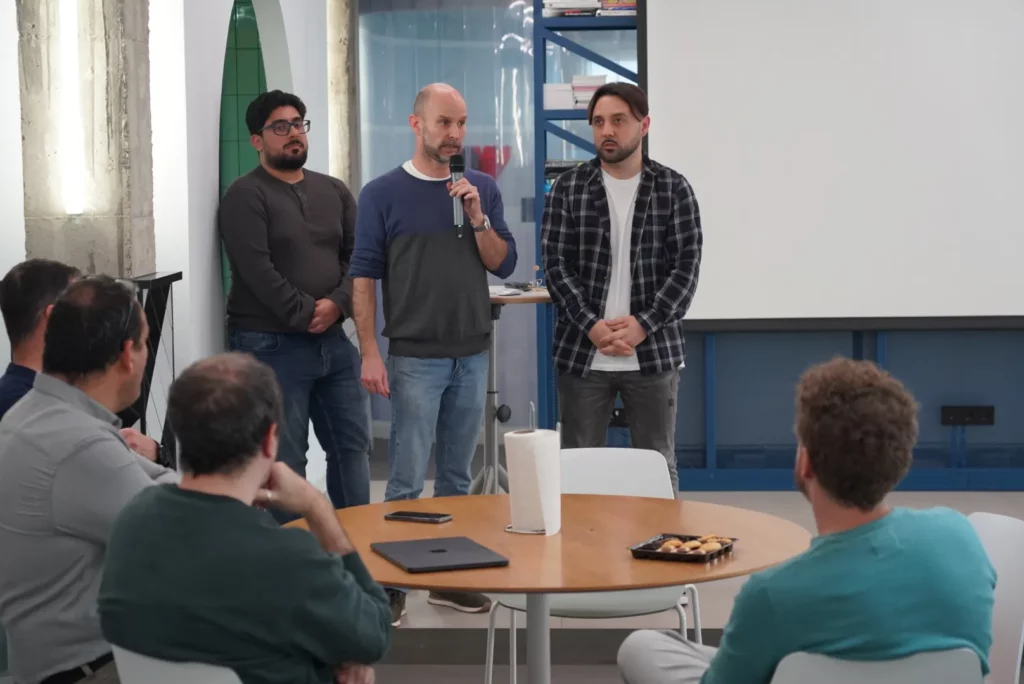
This final sharing session meant everyone could see what had been explored across the different areas of the Lab and take away new ideas or approaches that might be useful in day-to-day work.
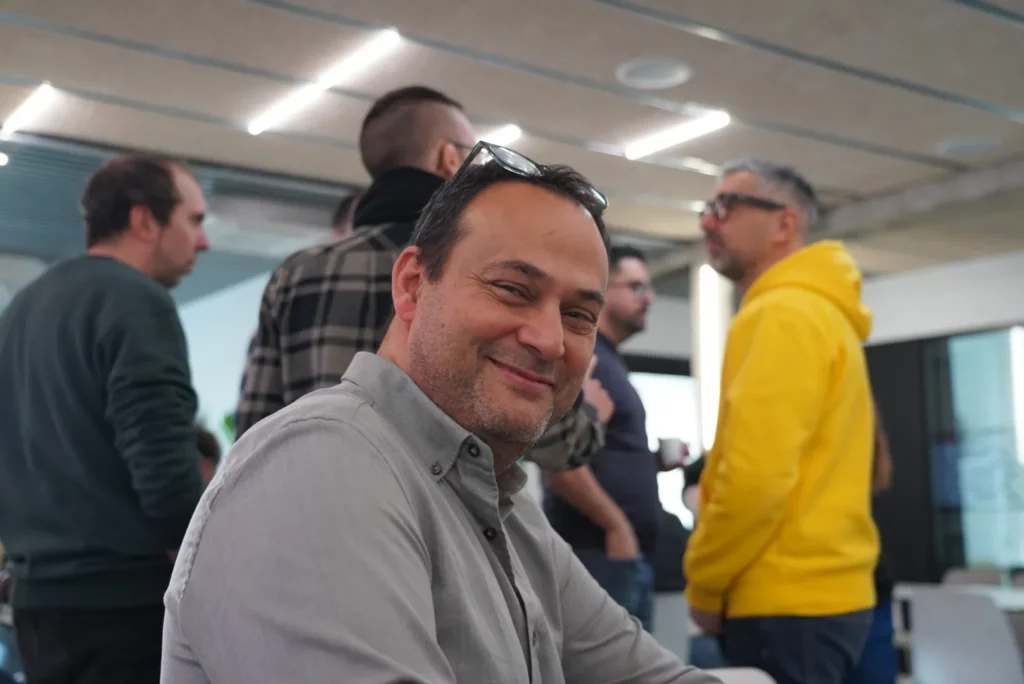
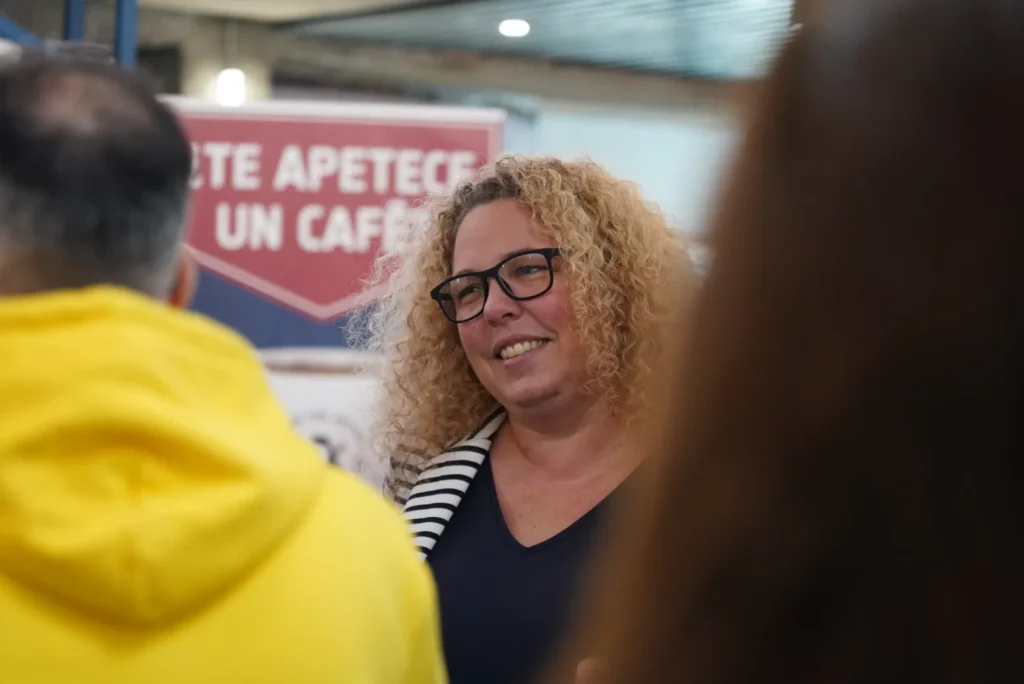
Sessions like Ibérica Labs give us time to explore technologies, try different approaches and share knowledge within the team. Many of the ideas that emerge during these sessions start as small experiments, but over time they often become part of our tools or working processes.